

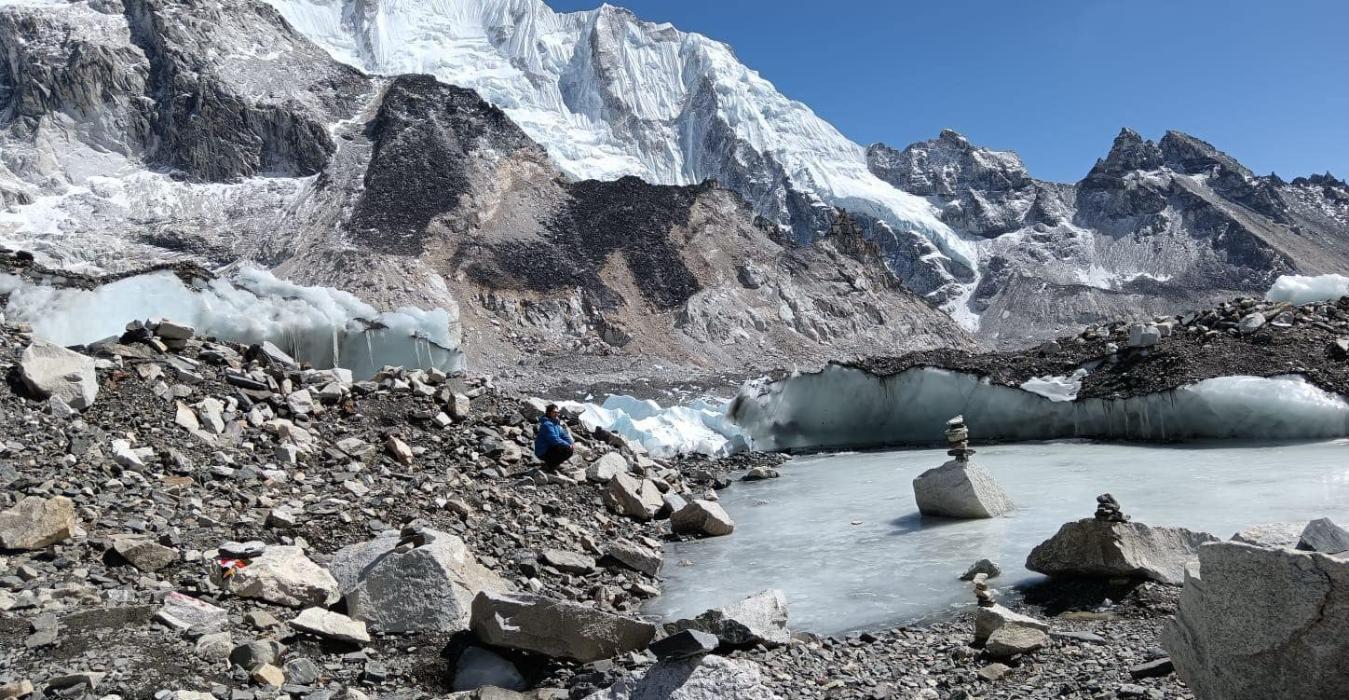
Introduction: Why Trekking Permits in Nepal Matter
Nepal is one of the world’s most sought-after trekking destinations, attracting adventurers, spiritual seekers, and nature lovers from across the globe. From the sacred Himalayan landscapes to ancient pilgrimage routes and protected wilderness areas, trekking in Nepal is both a privilege and a responsibility. To ensure safety, conservation, and sustainable tourism, the Government of Nepal has established a well-structured trekking permit system.
Hand-picked itineraries
Recommended Trips
Related journeys you may want to explore after reading this article.
Understanding trekking permits in Nepal is essential for anyone planning to walk the Himalayan trails. Whether you are heading to Everest Base Camp, Annapurna Sanctuary, Langtang Valley, or a spiritual pilgrimage trek, permits such as the TIMS card, national park permits, and heritage site entry passes are mandatory.
This comprehensive guide explains all trekking permits in Nepal, why they exist, how to obtain them, updated costs, and practical tips—helping you plan a smooth, legal, and meaningful trekking experience with Nepal Spiritual Trekking.
What Are Trekking Permits in Nepal?
Trekking permits in Nepal are official documents issued by government authorities that allow trekkers to enter specific trekking regions. These permits help:
Monitor trekkers’ movements for safety
Protect fragile Himalayan ecosystems
Preserve cultural and religious heritage
Support local communities through tourism revenue
Regulate trekking activities in restricted zones
Depending on your trekking destination, you may need one or multiple permits. Most treks require a combination of TIMS card Nepal and national park or conservation area permits, while some areas need special restricted permits.
1. TIMS Card Nepal – Trekkers’ Information Management System
The TIMS card Nepal is one of the most important trekking permits in Nepal. Introduced to ensure trekker safety and better data management, TIMS helps authorities track trekkers in remote mountain regions.
Why TIMS Card Is Mandatory
Maintains a record of trekkers’ itineraries
Assists in search and rescue operations
Enhances security in trekking regions
Helps manage sustainable trekking tourism
Types of TIMS Cards
There are two main types:
Green TIMS – For trekkers traveling with a registered trekking agency
Blue TIMS – For independent trekkers (FITs)
TIMS Card Cost
With trekking agency: NPR 1,000 per person
Independent trekkers: NPR 2,000 per person
Where to Obtain TIMS Card
Nepal Tourism Board office in Kathmandu or Pokhara
Through a licensed trekking company like Nepal Spiritual Trekking (recommended for ease and accuracy)
2. National Park Permits in Nepal
Many of Nepal’s iconic trekking routes pass through protected national parks. National park permits Nepal are mandatory to enter these regions and contribute directly to conservation and wildlife protection.
Major National Parks Requiring Permits
Sagarmatha National Park (Everest region)
Langtang National Park
Rara National Park
Shey Phoksundo National Park
National Park Permit Cost
Foreigners: NPR 3,000 per person
SAARC nationals: NPR 1,500 per person
Nepali citizens: NPR 100 per person
Children below 10 years usually enter free.
Why National Park Permits Are Important
Protect rare wildlife and biodiversity
Maintain trekking trails and infrastructure
Support park conservation programs
Fund local community development
3. Conservation Area Permits (ACAP, MCAP, etc.)
Some of Nepal’s most popular trekking destinations fall under conservation areas rather than national parks. These permits are equally important under trekking regulations in Nepal.
Popular Conservation Areas
Annapurna Conservation Area (ACAP)
Manaslu Conservation Area (MCAP)
Kanchenjunga Conservation Area
Conservation Area Permit Cost
NPR 3,000 per person for foreigners
NPR 1,000–1,500 for SAARC nationals
These permits help balance tourism growth with environmental protection and cultural preservation.
4. Restricted Area Trekking Permit in Nepal
Certain regions near Nepal’s international borders are classified as restricted areas due to security, cultural sensitivity, and fragile ecosystems. Restricted area trekking permit is compulsory here.
Restricted Areas Include
Upper Mustang
Upper Dolpo
Manaslu (specific sections)
Tsum Valley
Kanchenjunga region
Key Rules for Restricted Permits
Minimum two trekkers required
Mandatory licensed guide
Permit must be processed through a registered trekking agency
Issued only by Immigration Department
Restricted Permit Cost
Costs vary widely:
Upper Mustang: USD 500 for first 10 days
Manaslu: USD 100–125 per week depending on season
5. Heritage Site Entry Permits in Nepal
Many trekking and spiritual journeys include visits to UNESCO World Heritage Sites, monasteries, and sacred landmarks. Heritage site entry permits are required for these areas.
Common Heritage Sites on Trekking Routes
Kathmandu Durbar Square
Patan Durbar Square
Bhaktapur Durbar Square
Lumbini (Buddha’s birthplace)
Sacred caves and temples along spiritual trekking routes
Heritage Site Permit Cost
NPR 1,000–2,000 per site for foreigners
Discounts available for SAARC nationals
These fees support restoration and preservation of Nepal’s ancient cultural heritage.
How Many Permits Do You Need for Trekking in Nepal?
The number of trekking permits in Nepal depends on your destination:
Everest Base Camp Trek: TIMS + Sagarmatha National Park Permit
Annapurna Base Camp Trek: TIMS + ACAP Permit
Langtang Valley Trek: TIMS + Langtang National Park Permit
Upper Mustang Trek: Restricted Area Permit + ACAP
A professional trekking agency ensures you obtain all required permits correctly and on time.
Why Get Trekking Permits Through Nepal Spiritual Trekking?
Obtaining trekking permits independently can be confusing and time-consuming. When you book with Nepal Spiritual Trekking, we handle everything for you:
Accurate permit processing
Time-saving and hassle-free service
Compliance with all trekking regulations in Nepal
Expert guidance for restricted and spiritual trekking routes
Transparent Nepal trekking permit cost breakdown
Common Mistakes Trekkers Make with Permits
Assuming one permit covers all areas
Carrying photocopies instead of originals
Not updating itinerary changes
Entering restricted zones without special permits
Trusting unregistered agents
Avoid these mistakes by trekking responsibly and legally.
Frequently Asked Questions (FAQs)
Do I need trekking permits in Nepal for short treks?
Yes. Even short treks usually require at least a TIMS card and local area permit.
Can I get trekking permits on arrival in Nepal?
Yes, but some permits—especially restricted area trekking permits—must be arranged in advance.
Is TIMS card mandatory for all treks?
For most trekking routes, yes. Some regions have replaced TIMS with local permits, but regulations vary.
Can permits be transferred or reused?
No. Trekking permits in Nepal are non-transferable and valid only for specific dates and routes.
Do spiritual or pilgrimage treks require permits?
Yes. If the route passes through protected areas or heritage sites, permits are mandatory.
Conclusion: Trek Responsibly with the Right Permits
Understanding trekking permits in Nepal is the foundation of a safe, legal, and meaningful Himalayan journey. From the TIMS card Nepal system to national park permits and heritage site passes, each permit plays a vital role in conservation, safety, and cultural preservation.
Whether you are trekking for adventure, meditation, pilgrimage, or spiritual discovery, proper permits ensure your journey is smooth and respectful of Nepal’s sacred landscapes.
For worry-free trekking, expert guidance, and authentic spiritual experiences, Nepal Spiritual Trekking is your trusted local partner.