

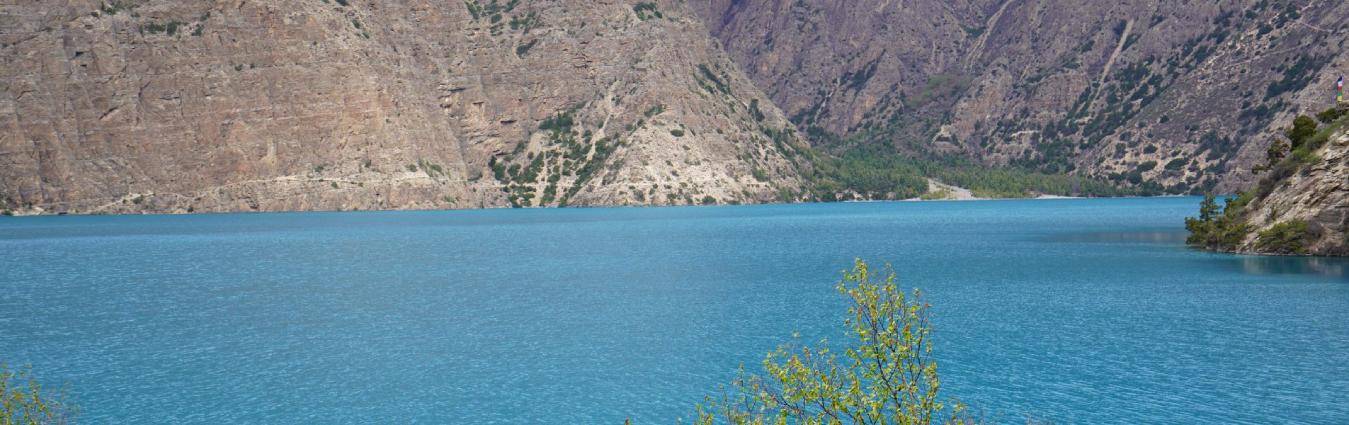
Trekking in Nepal is a dream for adventure lovers, spiritual seekers, and nature enthusiasts from all over the world. From the iconic Everest Base Camp to remote Himalayan valleys and sacred pilgrimage trails, Nepal offers unmatched trekking diversity. However, one of the most common and important questions travelers ask today is: Do you need a guide for trekking in Nepal?
Hand-picked itineraries
Recommended Trips
Related journeys you may want to explore after reading this article.
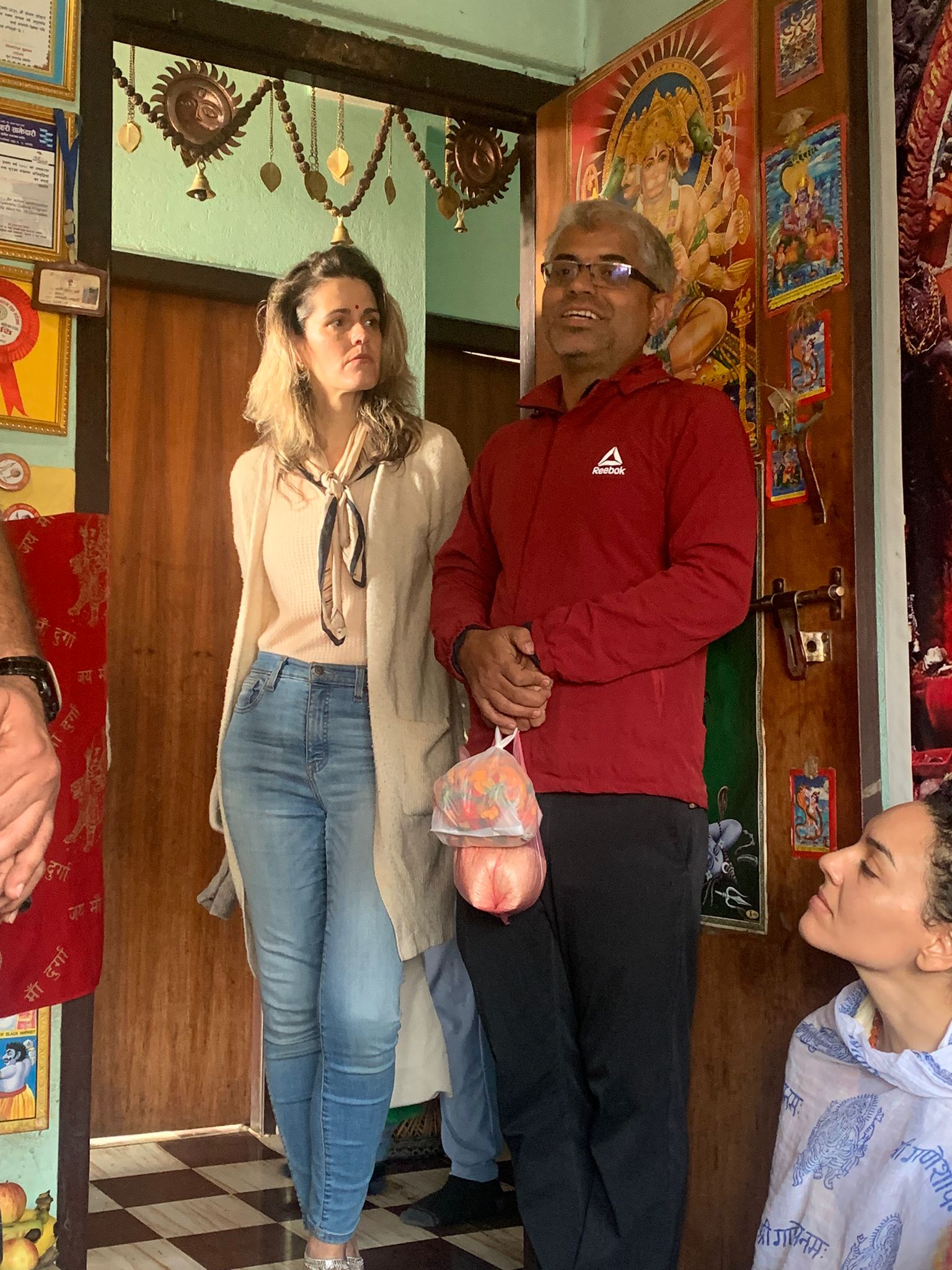
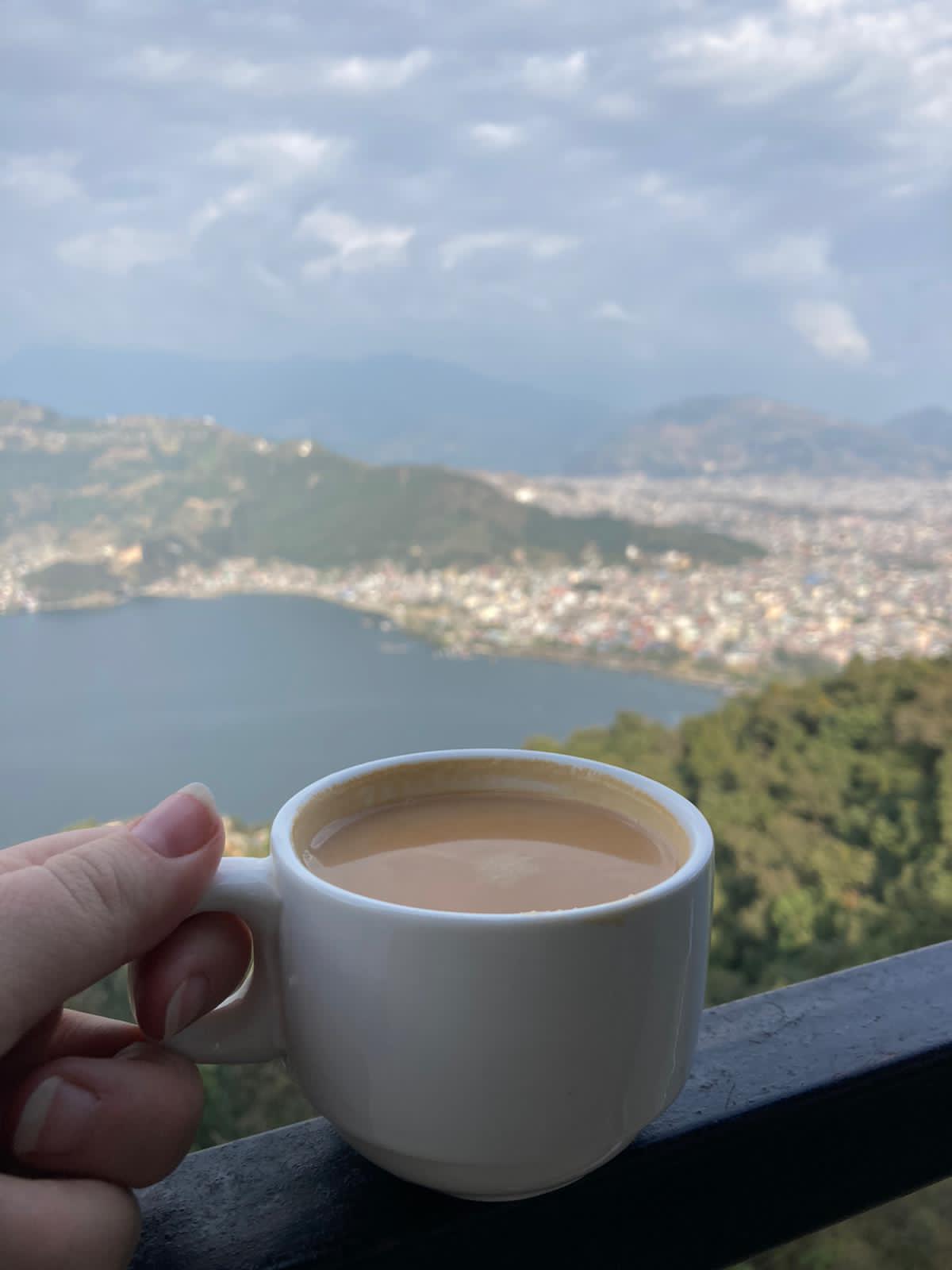
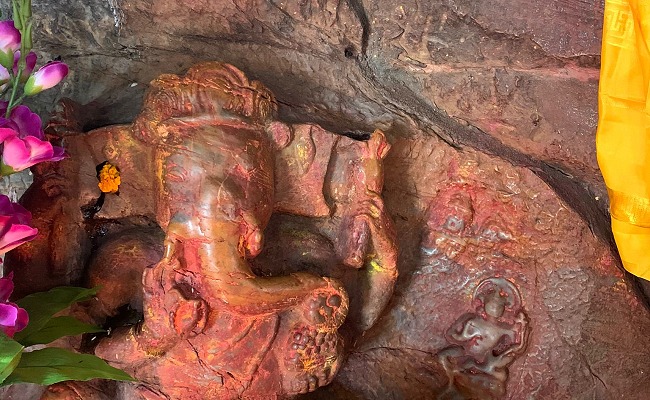
With changing government policies and updated trekking regulations, understanding the latest Nepal trekking rules is essential before planning your journey. This article explains the updated guide requirement, legal aspects, safety concerns, cost implications, and whether trekking independently is still possible in Nepal.
As a responsible and locally operated company, Nepal Spiritual Trekking shares accurate, experience-based information to help you trek legally, safely, and meaningfully.
Table of Contents
Introduction: Why This Question Matters
Updated Trekking Rules in Nepal (Latest Information)
Why Nepal Introduced the Guide Requirement
Is a Guide Mandatory for All Trekking Routes?
Treks Where a Guide Is Compulsory
Routes Where Independent Trekking May Still Be Possible
Benefits of Hiring a Trekking Guide in Nepal
Guided Trekking in Nepal vs Independent Trekking
Cost of Hiring a Trekking Guide in Nepal
Risks of Trekking Without a Guide
Spiritual and Cultural Value of Trekking with a Guide
Why Choose Nepal Spiritual Trekking
Frequently Asked Questions (FAQ)
Final Thoughts
1. Do You Need a Guide for Trekking in Nepal Under Updated Rules?
In the past, many trekkers explored Nepal independently using guidebooks and online maps. However, trekking conditions, safety standards, and rescue responsibilities have evolved. To ensure traveler safety and regulate sustainable tourism, the government introduced new trekking policies.
If you are planning a trek in 2025 or beyond, understanding whether you need a guide for trekking in Nepal is not optional—it is crucial.
2. Updated Trekking Rules in Nepal (Latest Information)
According to the latest regulations enforced by the Nepal Tourism Board, foreign trekkers must hire a licensed trekking guide to trek in most trekking regions of Nepal.
Key points of the updated rules:
Solo foreign trekkers without a guide are not permitted in most trekking areas
A licensed guide registered with the government is mandatory
TIMS cards for independent trekkers are no longer issued
Rules apply mainly to national parks and conservation areas
These regulations aim to improve safety, reduce search-and-rescue complications, and support local employment.
3. Why Nepal Introduced the Guide Requirement
The decision was not sudden. Several incidents influenced this policy, including trekkers going missing, altitude sickness fatalities, and lack of accountability during emergencies.
Major reasons behind the rule change include:
Increasing trekking accidents and deaths
Difficulties in rescue operations
Poor communication in remote regions
Supporting local trekking professionals
Preventing misinformation and illegal trekking
This makes guided trekking in Nepal a safer and more sustainable option for everyone.
4. Do You Need a Guide for Trekking in Nepal Under Updated Rules?
Yes, according to the latest trekking regulations, you need a guide for trekking in Nepal in most trekking regions. The government introduced this rule to improve trekker safety and regulate tourism activities in the Himalayas.
If you are asking do you need a guide for trekking in Nepal as a foreign traveler, the answer is yes for most routes, especially those inside conservation areas, national parks, and restricted regions.
5. Treks Where a Guide Is Compulsory
For the following popular and remote treks, hiring a guide is mandatory:
Annapurna Circuit
Annapurna Base Camp
Langtang Valley
Manaslu Circuit
Upper Mustang
Kanchenjunga Region
Dolpo Region
Makalu Region
In restricted areas, a guide is legally required, and permits are issued only through registered trekking agencies like Nepal Spiritual Trekking.
6. Routes Where Independent Trekking May Still Be Possible
Some areas, mainly due to local governance structures, may still allow independent trekking in practice. However, policies can change without notice.
These include:
Everest region (Khumbu)
Short hikes around Kathmandu Valley
Even in these areas, hiring a trekking guide in Nepal is strongly recommended for safety and cultural understanding.
7. Benefits of Hiring a Trekking Guide in Nepal
A guide is not just a navigator. A professional guide transforms your trek into a meaningful experience.
Safety and Emergency Support
Altitude sickness monitoring
First aid knowledge
Emergency evacuation coordination
Cultural and Spiritual Insight
Buddhist and Hindu traditions
Sacred sites and monasteries
Local rituals and stories
Logistics and Comfort
Accommodation arrangements
Permit handling
Route optimization
With a guide, your trek becomes smoother, safer, and more enriching.
8. Guided Trekking in Nepal vs Independent Trekking
| Aspect | Guided Trekking | Independent Trekking |
|---|---|---|
| Safety | High | Risky |
| Legal compliance | Yes | Often No |
| Cultural experience | Deep | Limited |
| Emergency handling | Professional | Self-dependent |
| Stress level | Low | High |
Choosing guided trekking in Nepal ensures peace of mind and compliance with regulations.
9. Cost of Hiring a Trekking Guide in Nepal
Many trekkers still ask whether they need a guide for trekking in Nepal because older travel blogs mention solo trekking. However, policies have changed. Today, if you plan to trek legally and safely, you need a guide for trekking in Nepal in most popular trekking destinations.
Ignoring the rule and trekking without a guide can result in permit rejection, fines, or being stopped at checkpoints. This is why understanding do you need a guide for trekking in Nepal before arrival is extremely important.
10. Risks of Trekking Without a Guide
Trekking without a guide can lead to serious consequences:
Denied permits or entry at checkpoints
Fines or forced return
Increased risk of altitude sickness
No rescue assistance
Miscommunication with locals
Ignoring Nepal trekking rules can turn a dream trip into a stressful experience.
11. Spiritual and Cultural Value of Trekking with a Guide
Nepal is not just mountains; it is a living spiritual landscape.
A knowledgeable guide helps you:
Understand meditation caves and sacred mountains
Learn Buddhist philosophy and Hindu symbolism
Practice mindful walking and spiritual trekking
For travelers seeking inner transformation, a guide is essential.
12. Why Choose Nepal Spiritual Trekking
Nepal Spiritual Trekking is not just a trekking company; it is a bridge between nature, culture, and consciousness.
We offer:
Licensed and experienced local guides
Ethical and responsible trekking
Spiritual trekking programs
Customized itineraries
Full compliance with updated trekking laws
We ensure your trek is legal, safe, and deeply meaningful.
13. Frequently Asked Questions (FAQ)
FAQ 1
Q: Do you need a guide for trekking in Nepal in 2026?
A: Yes, according to updated Nepal trekking rules, foreign trekkers must hire a licensed trekking guide for most trekking routes.
FAQ 2
Q: Can I trek alone in Nepal without a guide?
A: Independent trekking is no longer allowed in most regions. Solo trekkers are required to be accompanied by a registered guide.
FAQ 3
Q: Is hiring a trekking guide in Nepal expensive?
A: No. Hiring a trekking guide in Nepal usually costs USD 25–35 per day and greatly improves safety and experience.
FAQ 4
Q: Is guided trekking in Nepal safer?
A: Yes. Guided trekking significantly reduces risks related to altitude sickness, navigation, and emergency situations.
Yes, according to updated regulations, most trekking routes require a licensed guide.
FAQ 5: Can I trek alone in Nepal?
A: Solo trekking is largely restricted. Independent trekking without a guide is not legally permitted in most regions.
FAQ 6: Is a guide mandatory for Everest Base Camp?
A: Rules are less strict in Everest, but hiring a guide is highly recommended for safety.
FAQ 7: What happens if I trek without a guide?
A: You may face permit denial, fines, or be stopped at checkpoints.
FAQ 8: Can I hire a guide without a porter?
A: Yes. You can hire only a guide or a guide-porter depending on your preference.
14. Final Thoughts
So, do you need a guide for trekking in Nepal?
Under updated rules, yes—almost always.
Beyond legality, a guide enhances safety, understanding, and spiritual depth. Trekking in Nepal is not just about reaching a destination; it is about experiencing the journey with awareness and respect.
For a safe, lawful, and enriching Himalayan adventure, choose guided trekking in Nepal with Nepal Spiritual Trekking.