

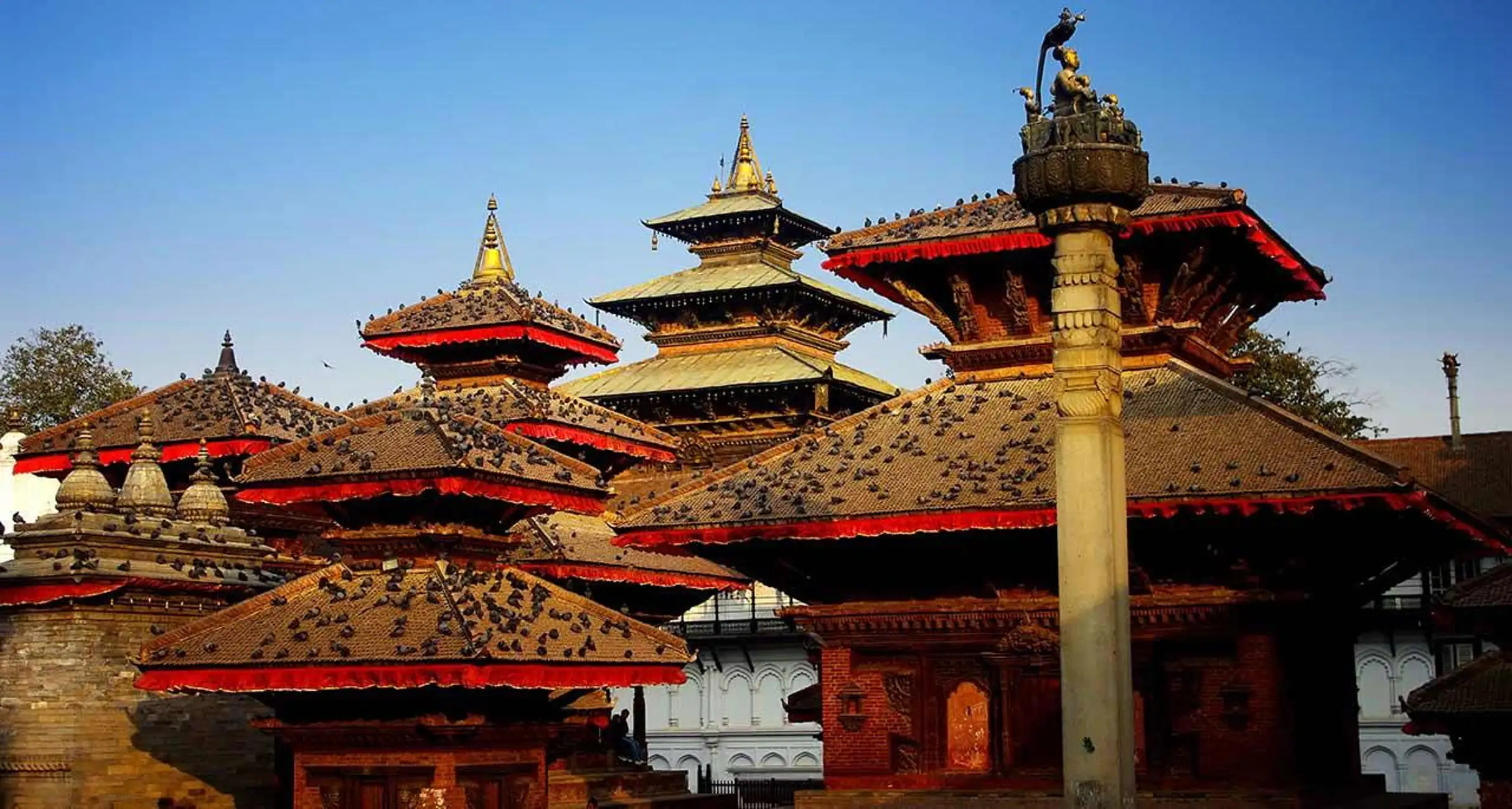
Choosing the best time to go trekking in Nepal is one of the most important decisions for anyone planning to explore the Himalayas. Nepal is a year-round destination, but weather conditions, trail accessibility, mountain views, festivals, and crowd levels change dramatically from month to month. Understanding the Nepal trekking season, climate patterns, and regional variations will help you select the perfect time for your adventure.
Hand-picked itineraries
Recommended Trips
Related journeys you may want to explore after reading this article.
From snow-covered winter trails to lush green monsoon landscapes and crystal-clear autumn skies, this detailed month-by-month guide explains the best trekking months in Nepal with practical insights on Nepal trekking weather, visibility, and trail conditions. Whether you are planning Everest Base Camp, Annapurna, Langtang, or a spiritual trekking journey, this guide will help you make an informed choice.
Understanding Nepal’s Trekking Seasons
Nepal has four distinct seasons that influence trekking conditions across the Himalayas. While trekking is possible throughout the year, not every season is ideal for every route. The best time to go trekking in Nepal depends on altitude, region, and your trekking goals.
Spring (March–May): Stable weather, blooming rhododendrons, excellent mountain views
Summer / Monsoon (June–August): Rainy, green landscapes, fewer crowds
Autumn (September–November): Clear skies, best visibility, peak Nepal trekking season
Winter (December–February): Cold, quiet trails, great for lower-altitude trekking
January: Winter Serenity in the Himalayas
January is one of the coldest months, especially in high-altitude regions. Snowfall is common above 3,000 meters, making some high passes inaccessible. However, lower-altitude treks such as Ghorepani, Poon Hill, and short cultural treks around Kathmandu Valley remain enjoyable.
For trekkers who prefer solitude, January offers peaceful trails and crisp mountain views on clear days. While it may not be the best time to go trekking in Nepal for high passes, it suits winter trekkers seeking quiet paths and spiritual reflection.
February: Cold but Improving Conditions
February marks the gradual transition toward spring. Temperatures slowly rise, and days become longer. Snow still blankets higher elevations, but popular lower and mid-altitude routes start to open.
This month is suitable for trekkers who want fewer crowds and improving Nepal trekking weather. Visibility is generally good, and the landscapes remain dramatic with snow-capped peaks.
March: Beginning of the Spring Trekking Season
March signals the start of one of the most popular periods in the Nepal trekking season. Trails come alive with blooming rhododendrons, moderate temperatures, and stable weather.
This is an excellent time for Everest Base Camp, Annapurna Base Camp, and Langtang Valley treks. Many consider March one of the best trekking months in Nepal due to its balance of scenery, weather, and trail conditions.
April: Peak Spring Trekking Month
April is widely regarded as the best time to go trekking in Nepal for spring travelers. The weather is warm but not hot, skies are generally clear, and forests are colorful with flowers in full bloom.
Mountain visibility is excellent in the mornings, and trekking routes are fully operational. Due to ideal conditions, this month sees a high number of trekkers, especially in classic routes like Everest and Annapurna.
May: Warm Days and Pre-Monsoon Feel
May is the last month of spring trekking before the monsoon begins. Temperatures rise, especially at lower elevations, and occasional afternoon clouds appear.
Despite the warmth, May remains one of the best trekking months in Nepal, particularly for high-altitude treks where snow has melted and passes are accessible. Early mornings offer spectacular mountain views before clouds build up.
June: Start of the Monsoon Season
June marks the beginning of the monsoon, with increasing rainfall and humidity. Trails can become muddy, and leeches appear in forested regions.
However, trekking is still possible in rain-shadow areas such as Upper Mustang and Dolpo. For adventurous trekkers, June offers lush landscapes and fewer crowds, though it is not the best time to go trekking in Nepal for classic routes.
July: Green Landscapes and Quiet Trails
July is peak monsoon season. Heavy rain affects visibility and trail conditions, making many popular routes challenging.
That said, the countryside turns vibrant green, rivers are full, and trekking in rain-shadow regions remains rewarding. This month suits trekkers seeking solitude and cultural experiences rather than clear mountain views.
August: Monsoon Continues with Cultural Charm
August continues the monsoon pattern, but rainfall often decreases toward the end of the month. Festivals like Janai Purnima and Gai Jatra add cultural richness to trekking journeys.
While Nepal trekking weather is unpredictable, August can still be meaningful for spiritual trekkers and those exploring trans-Himalayan regions.
September: Transition to Autumn – A Favorite Month
September marks the end of the monsoon and the beginning of autumn. Trails start drying, skies clear, and temperatures become comfortable.
Late September is often considered the beginning of the best time to go trekking in Nepal, as mountain visibility improves rapidly. This is a great month for photographers and early autumn trekkers.
October: Best Overall Month for Trekking in Nepal
October is widely accepted as the best month within the Nepal trekking season. Clear blue skies, stable weather, and comfortable temperatures create perfect trekking conditions.
Almost all trekking routes are at their best during October. Due to high demand, trails and lodges are busy, but the experience is exceptional. For many, October defines the best trekking months in Nepal.
November: Clear Views and Cooler Air
November offers similar advantages to October but with cooler temperatures. Skies remain crystal clear, and mountain views are at their sharpest.
Crowds gradually decrease toward the end of the month, making it ideal for trekkers who want great conditions with slightly fewer people. November is still firmly within the best time to go trekking in Nepal.
December: Quiet Trails and Winter Beauty
December introduces winter conditions, especially at higher altitudes. Days are sunny, but nights are cold, and snowfall can block high passes.
Lower-altitude treks remain accessible, and the peaceful atmosphere appeals to trekkers seeking reflection and silence. While not peak season, December has its own charm within the broader Nepal trekking season.
Best Time to Go Trekking in Nepal by Trekking Region
Different regions have different optimal seasons. Everest, Annapurna, and Langtang are best during spring and autumn, while Upper Mustang and Dolpo are suitable even during monsoon due to their rain-shadow location. Understanding regional variation is key to choosing the true best time to go trekking in Nepal for your chosen route.
Frequently Asked Questions (FAQ)
What is the best time to go trekking in Nepal?
The best time to go trekking in Nepal is during spring (March to May) and autumn (September to November), when weather conditions are stable and mountain views are clear.
Which month is best for trekking in Nepal?
October is generally considered the best month due to excellent visibility, moderate temperatures, and stable weather across most trekking regions.
Can I trek in Nepal during monsoon season?
Yes, trekking is possible during monsoon, especially in rain-shadow regions like Upper Mustang. However, classic routes may have limited visibility and muddy trails.
Is winter trekking in Nepal possible?
Winter trekking is possible at lower altitudes. High-altitude treks may be challenging due to snow and cold temperatures.
How does Nepal trekking weather affect trekking difficulty?
Weather affects trail conditions, visibility, and safety. Stable seasons make trekking easier, while monsoon rain and winter snow increase difficulty.
Are spring or autumn better for trekking in Nepal?
Both are excellent. Spring offers flowers and warmer weather, while autumn provides the clearest mountain views and is the peak Nepal trekking season.
Final Thoughts
The best time to go trekking in Nepal ultimately depends on your preferences—whether you value clear mountain views, quiet trails, cultural festivals, or lush landscapes. By understanding the month-by-month variations in the Nepal trekking season, choosing the best trekking months in Nepal, and preparing for Nepal trekking weather, you can plan a safe, meaningful, and unforgettable Himalayan journey.