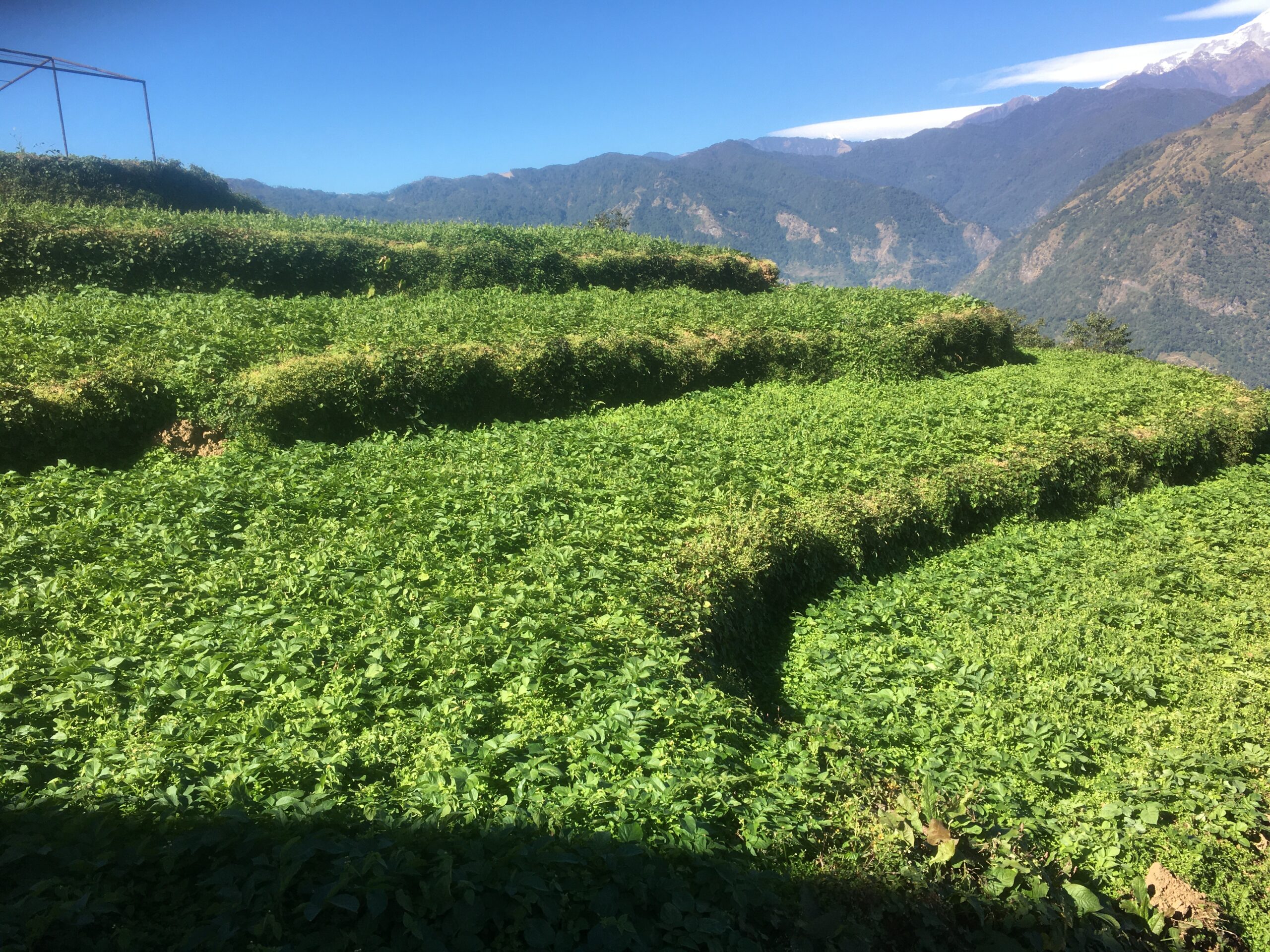
Introduction

Hiking in Nepal is a dream come true for many adventurers. Whether you're a seasoned trekker or a first-time hiker, Nepal offers some of the most spectacular trails, ranging from moderate walks to challenging high-altitude expeditions. From the iconic Everest Base Camp to the beautiful Annapurna Circuit, there’s a trekking route to suit every traveler’s abilities and interests. But before you embark on your Himalayan journey, you probably have a few questions. In this blog, we answer the top 20 questions about hiking in Nepal to help you plan your adventure and ensure that you're well-prepared for the trek of a lifetime.

1. What is the best time to go hiking in Nepal?

The best time for hiking in Nepal is during the autumn (September to November) and spring (March to May) seasons. These months offer clear skies, moderate temperatures, and breathtaking views of the Himalayas. Avoid trekking during the monsoon season (June to August) as the trails become slippery and the weather is unpredictable.

2. What are the most popular trekking routes in Nepal?

Some of the top trekking routes in Nepal include:

  • Everest Base Camp Trek: A bucket-list trek to the base of the world’s highest mountain.
  • Annapurna Circuit Trek: A classic trek offering stunning views of the Annapurna range.
  • Langtang Valley Trek: A peaceful trek through lush forests and Tibetan-style villages.
  • Manaslu Circuit Trek: A more off-the-beaten-path route with spectacular mountain views.
  • Ghorepani Poon Hill Trek: A short and scenic trek with panoramic views of the Annapurna range.

3. Do I need a guide for hiking in Nepal?

While it is not mandatory, hiring a guide is highly recommended, especially if you're unfamiliar with the area or trekking in remote regions. A guide offers local knowledge, ensures your safety, helps with navigation, and provides insight into the culture and traditions of the local people. Plus, they help arrange accommodation and meals along the way.

4. How difficult are the treks in Nepal?

The difficulty of treks in Nepal varies. Easy treks like the Ghorepani Poon Hill Trek are suitable for beginners, while more challenging routes like the Everest Base Camp Trek or Annapurna Circuit require a higher level of fitness and stamina. The key to a successful trek is gradual acclimatization and taking your time.

5. How much does it cost to hike in Nepal?

The cost of trekking in Nepal depends on factors like the route, duration, and whether you hire a guide or porter. On average, you can expect to spend between $500 to $1,500 USD for a standard trek, which includes permits, guide/porter fees, accommodation, and meals. Higher-end treks or those in more remote regions may cost more.

6. Do I need trekking permits for Nepal?

Yes, most trekking regions in Nepal require permits. The TIMS (Trekkers' Information Management System) card and the National Park Permit are the most common permits you'll need. The specific permits depend on the region you are trekking in. Your trekking agency or guide can help you with the paperwork.

7. What gear should I pack for hiking in Nepal?

Some essential items to pack for hiking in Nepal include:

  • Hiking boots
  • Warm clothing (layers)
  • Sleeping bag
  • Trekking poles
  • Water bottle (with purification tablets)
  • Sun protection (hat, sunscreen, sunglasses)
  • First aid kit

8. Is altitude sickness a concern in Nepal?

Altitude sickness can affect hikers above 2,500 meters (8,200 feet), especially in high-altitude treks like Everest Base Camp or Annapurna Circuit. To avoid altitude sickness, ascend slowly and stay hydrated.

9. What are the accommodation options on trekking routes?

Most trekking routes have teahouses or lodges where you can stay overnight. The accommodations range from basic to more comfortable options, with basic facilities such as shared bathrooms and simple meals.

10. Is it safe to hike in Nepal?

Nepal is generally safe for trekkers. However, it's important to hire a reliable guide, follow safety instructions, and be cautious of the weather and trail conditions. Also, keep in mind the risk of altitude sickness.

11. What are the cultural customs I should know about while trekking in Nepal?

Nepal has rich cultural traditions. It's important to respect local customs, including:

  • Dress modestly, especially in villages.
  • Greet locals with "Namaste."
  • Don't point your feet at sacred objects or people.
  • Avoid touching people's heads (a cultural taboo).

12. Can I trek solo in Nepal?

While trekking solo is possible, it's safer to trek with a guide or in a group, especially in remote areas. Solo trekking can be risky without local knowledge and support.

13. What are the food options available on trekking routes in Nepal?

You will find a variety of food, including dal bhat (lentil soup with rice), momo (dumplings), noodles, soup, and vegetables. In higher-altitude regions, the food options may be more limited.

14. How physically fit do I need to be to hike in Nepal?

The level of fitness required depends on the trek you choose. For moderate treks like the Ghorepani Poon Hill Trek, you need average fitness, while for challenging treks like the Annapurna Circuit or Everest Base Camp, a higher level of fitness is needed.

15. Can I trek in Nepal with kids?

Yes, many families trek in Nepal, especially on shorter routes like the Ghorepani Poon Hill Trek. Ensure that children are well-prepared and acclimatize to the altitude properly.

16. What is the weather like on Nepal treks?

The weather can be unpredictable, with temperatures ranging from warm to freezing, depending on the altitude. In the lower regions, it can be mild, but at higher altitudes, it can get very cold, especially during the night.

17. How do I prepare for hiking in Nepal?

To prepare for a trek in Nepal:

  • Train by hiking in your local area, gradually increasing the distance.
  • Build up your stamina through cardio exercises like walking, jogging, and cycling.
  • Acclimatize by ascending slowly and giving your body time to adjust.

18. What happens if I get injured while trekking in Nepal?

In case of injury, your guide will help with basic first aid and arrange for evacuation if necessary. It's important to have travel insurance that covers medical evacuation, especially in remote areas.

19. Are there any eco-friendly trekking practices in Nepal?

Yes, eco-friendly practices are becoming increasingly important in Nepal. Some trekking regions have implemented waste management practices and encourage trekkers to carry out all trash. It's also important to minimize your environmental impact by respecting nature.

20. How can I choose the best trekking company in Nepal?

When choosing a trekking company, ensure they are licensed by the Nepal Tourism Board and the Ministry of Culture, Tourism, and Civil Aviation. Look for reviews and testimonials from previous clients, and ensure the company prioritizes safety and ethical practices.

In Nutshell 

Trekking in Nepal offers an unforgettable adventure, with some of the world’s most stunning landscapes and rich cultural experiences. By preparing well and answering these top 20 frequently asked questions, you can ensure that your trekking experience in Nepal is both safe and enjoyable. Whether you're heading to Everest, Annapurna, or any of Nepal’s other incredible trekking destinations, you’ll create memories to last a lifetime.

Happy trekking!