

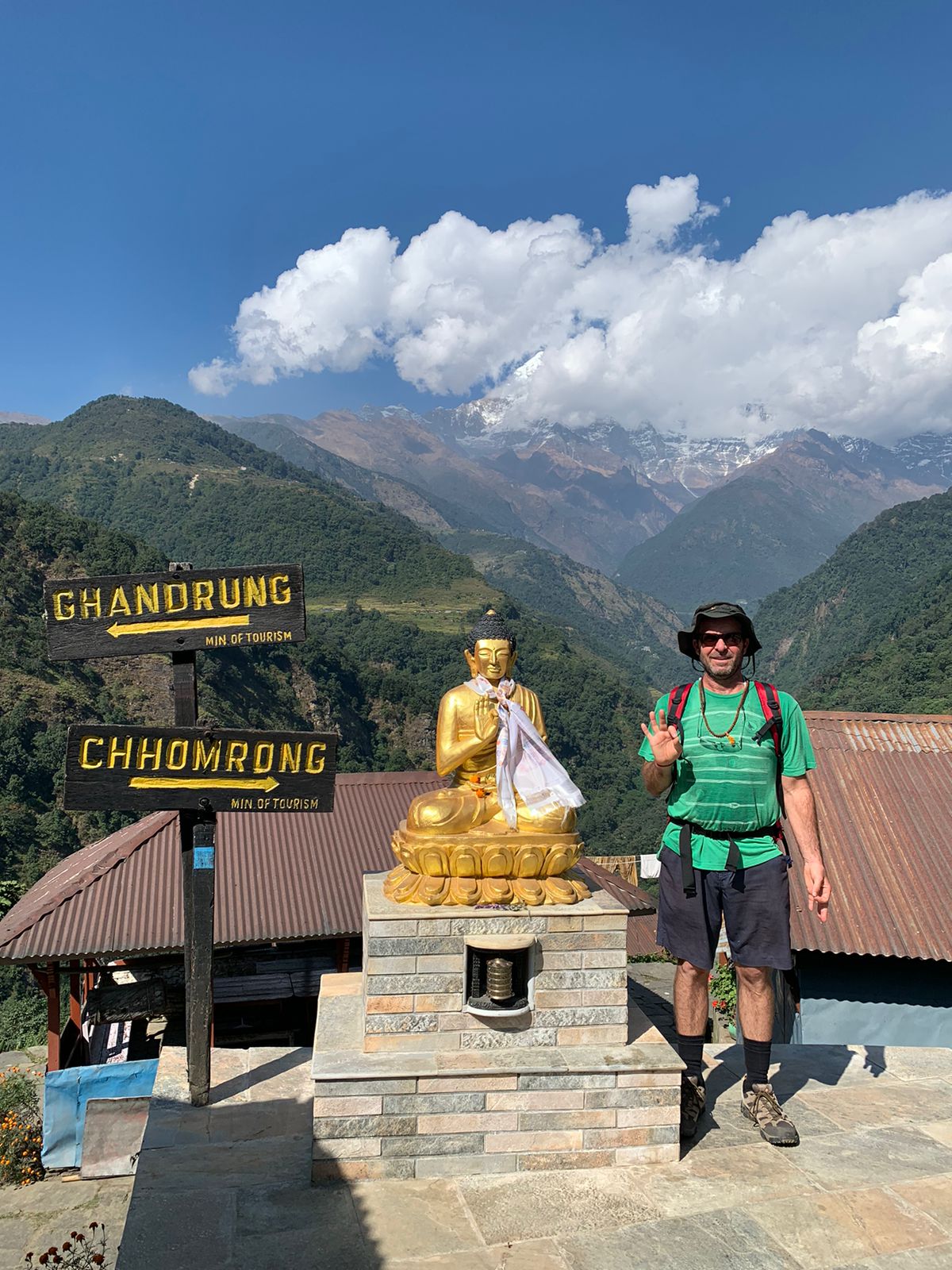
Solo Spiritual Trekking in Nepal: A Journey Inward and a Conscious Travel Guide
Solo Spiritual Trekking in Nepal is becoming one of the most meaningful forms of travel in the modern world. Many travelers today are not just searching for adventure; they are searching for silence, reflection, and a deeper connection with themselves.
Hand-picked itineraries
Recommended Trips
Related journeys you may want to explore after reading this article.
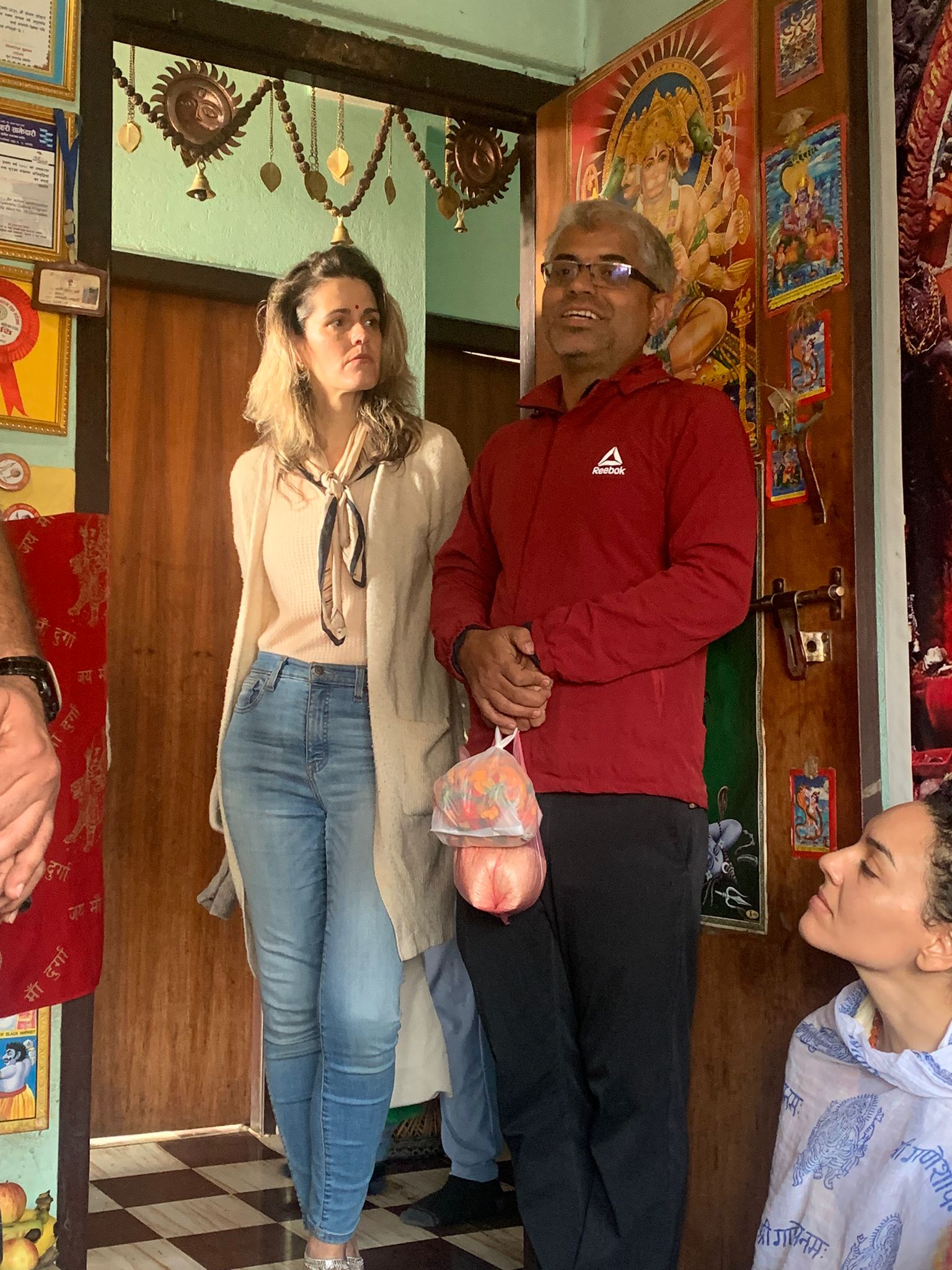
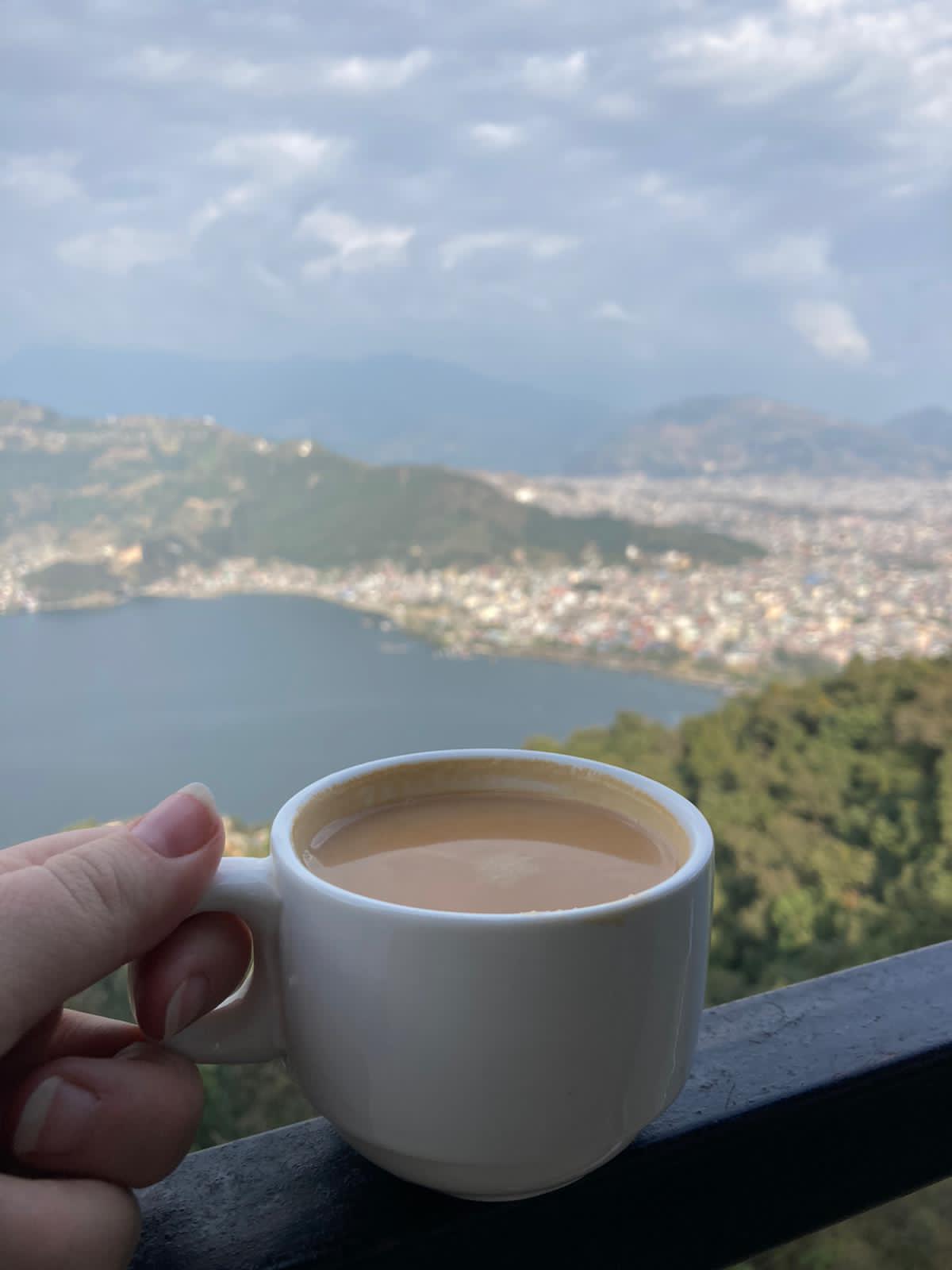
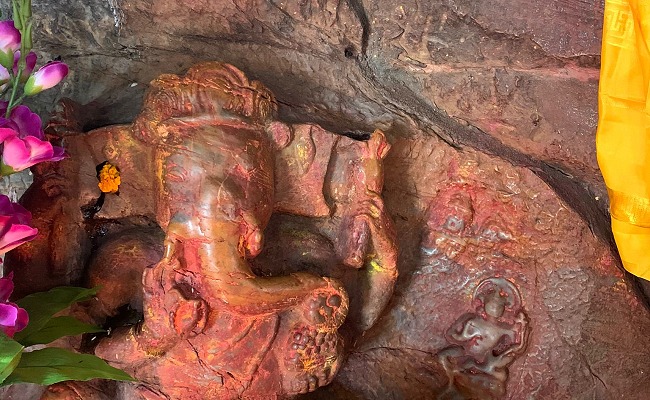
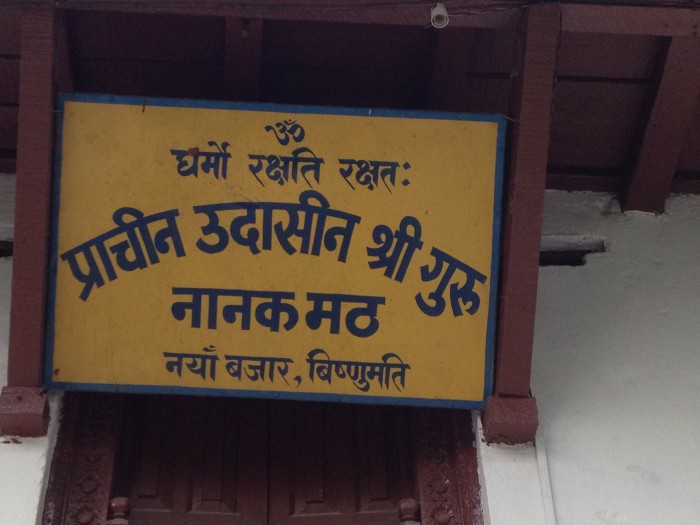
What makes Solo Spiritual Trekking in Nepal unique is the combination of Himalayan landscapes, ancient temples, meditation traditions, and welcoming communities. Travelers often find that walking alone in nature, visiting monasteries, and observing spiritual practices naturally create space for inner transformation.
Is Nepal Safe for Solo Spiritual Travelers? A Conscious Travel Guide
One of the first questions people ask is simple: Is Nepal safe for solo travelers?
The answer, in most cases, is yes.
Nepal is widely known for its welcoming culture and deep-rooted traditions of hospitality. Guests are often treated with warmth and respect, especially in rural and spiritual communities where visitors are seen as pilgrims rather than tourists.
For many visitors, Solo Spiritual Trekking in Nepal feels safe because of the friendly culture, well-established trekking routes, and supportive spiritual communities.
Why Nepal Is Considered Safe for Solo Travelers
1. A Culture of Hospitality
Nepali culture values kindness and respect toward guests. In villages and pilgrimage sites, locals often help travelers with directions, food, and guidance.
2. Well-Established Trekking Routes
Popular trekking areas such as the Annapurna region and routes toward Everest Base Camp are well-marked and frequently traveled, making them suitable even for solo trekkers with proper preparation.
3. Spiritual Communities and Monasteries
Meditation centers, monasteries, and retreat spaces provide peaceful and supportive environments where solo travelers often feel safe and welcome.
4. Growing Conscious Travel Culture
Nepal has become a destination for yoga practitioners, meditators, and mindful travelers. This community atmosphere makes it easier for solo travelers to connect with like-minded people.
Why Many Solo Travelers Come to Nepal and Leave Changed
A journey in Nepal often becomes more than travel—it becomes a turning point.
Silence and Space for Reflection
Modern life rarely allows silence. In the mountains and monasteries, silence is natural. Walking through forests or sitting near a stupa creates a calm state of mind that encourages introspection.
Encounters with Living Spiritual Traditions
Travelers can witness daily rituals, prayer ceremonies, and meditation practices that have been preserved for centuries. These experiences often inspire a deeper understanding of mindfulness and compassion.
Simplicity of Mountain Life
Village life in the Himalayas is simple and grounded. Watching how people live with fewer distractions often changes travelers’ perspectives about happiness and contentment.
Physical Movement Supports Mental Clarity
Walking for hours each day naturally quiets the mind. Trekking becomes a form of meditation in motion.
Solo Spiritual Trekking in Nepal: A Journey Inward
Traveling alone allows a rare opportunity—to listen to oneself without distraction.
In busy cities, we often follow schedules, messages, and responsibilities. On a spiritual trek, time slows down. Walking, breathing, and observing become the main activities.
Many travelers describe this as an inner journey rather than an outer one.
Experiences That Deepen Inner Awareness
Meditation in Monasteries
Many monasteries welcome visitors who wish to sit quietly, observe monks’ practices, or learn basic meditation techniques.
Sacred Sites and Energy Places
Pilgrimage sites, caves, and temples across the Kathmandu Valley provide peaceful environments for reflection and spiritual connection.
Mindful Walking
Slow trekking, sometimes called mindful trekking, allows travelers to experience nature deeply rather than rushing to reach destinations.
Practical Tips for Solo Spiritual Travelers in Nepal
A conscious journey also means traveling wisely and responsibly.
Plan, But Stay Flexible
Having a basic itinerary is helpful, but spiritual travel often unfolds naturally. Leave time for unexpected experiences.
Choose the Right Season
Spring and autumn offer the best weather for trekking and meditation retreats.
Respect Local Culture
Dress modestly in temples and monasteries, ask before taking photos, and observe local customs.
Stay Connected with Trusted Operators
Working with a responsible trekking company or guide, even for part of the journey, provides safety and cultural insight.
Since you are developing programs for Nepal Spiritual Trekking P Ltd, this type of travel aligns perfectly with your audience—people who are not just travelers but seekers.
Who Is Solo Spiritual Trekking Best For?
This style of travel is ideal for:
People seeking personal reflection
Meditation and yoga practitioners
Travelers recovering from stress or burnout
Writers, artists, and thinkers
Anyone searching for meaning or direction
No prior spiritual experience is necessary. Openness and curiosity are enough.
Conscious Travel: Traveling with Awareness
Solo spiritual travel is not only about personal growth but also about traveling responsibly.
Conscious travelers often:
Support local communities
Stay in small lodges or homestays
Respect nature and avoid waste
Learn about local traditions
This approach creates a deeper and more meaningful connection with the destination.
The Transformational Power of Traveling Alone
Many solo travelers say their journey in Nepal changed them in subtle but powerful ways:
Greater patience
Reduced anxiety
Clearer life priorities
Stronger sense of gratitude
Deeper appreciation of silence
Transformation does not usually happen dramatically—it happens quietly, step by step, breath by breath, along mountain paths and temple courtyards.
Frequently Asked Questions (FAQ)
Is Nepal safe for solo spiritual trekking?
Yes. Nepal is generally safe, especially on established trekking routes and in spiritual areas. Basic precautions, proper planning, and staying aware of surroundings are usually enough.
Do I need a guide for solo spiritual trekking in Nepal?
Not always, but hiring a guide can enhance safety, cultural understanding, and access to spiritual sites that independent travelers may not easily find.
What is the best place in Nepal for a solo spiritual journey?
The Kathmandu Valley, Annapurna region, and monastery areas are excellent starting points. Many meditation retreats and pilgrimage sites are accessible from these areas.
What should I pack for a spiritual trekking journey?
Comfortable walking clothes, a journal, a reusable water bottle, basic trekking gear, and an open mind are often the most valuable items.
Is Nepal suitable for first-time solo travelers?
Yes. Nepal is often recommended as a first solo destination because of its friendly culture and well-developed trekking infrastructure.
Why do people say Nepal changes them?
The combination of mountains, spirituality, silence, and meaningful human connections often encourages deep reflection and personal insight.
Conclusion: A Journey That Continues After You Return
Solo Spiritual Trekking in Nepal is not only about reaching a destination. It is about slowing down, listening inward, and discovering a deeper sense of clarity.
The real journey often begins after travelers return home—when the calm, awareness, and lessons of the mountains continue to shape daily life.
Nepal does not just offer landscapes. It offers perspective.
And sometimes, that is the most powerful journey of all.